Contractors, architects, clients
Handover photos: document snags and their clearance.
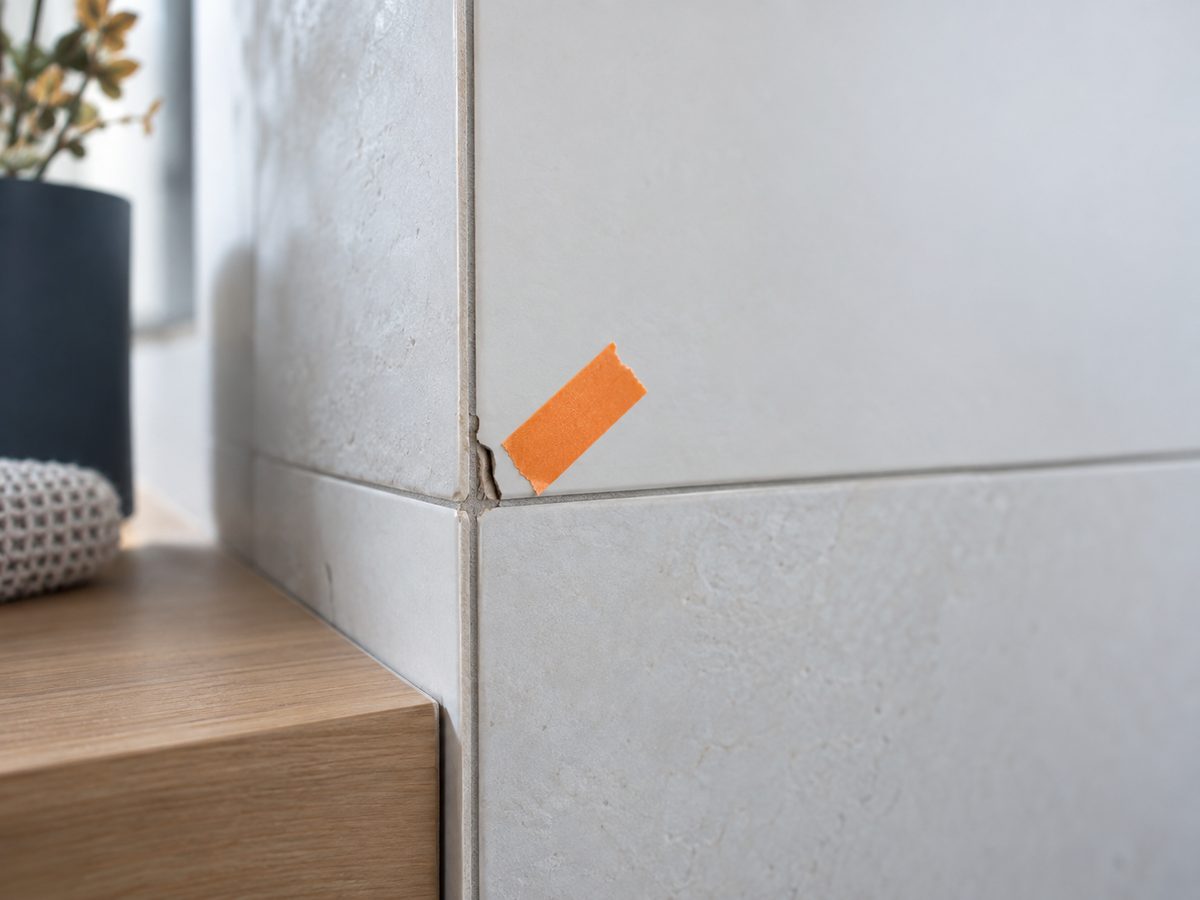
Handover fixes the condition of the work and usually starts the defect liability period. Timestamped, geolocated photos taken on the day, then at each snag cleared, avoid arguing later about what was done, and when.
By Emmanuel Fernandez, CEO of Proov-It · Updated
Handover is when the client accepts the work, with or without snags. It usually starts the defect liability period, and it is when accounts diverge most often. Dated construction handover photos show the exact condition of the work on that day, room by room.
With Proov-It, photos and videos are taken in the mobile app: they are born dated and geolocated, and their fingerprint is anchored on a public blockchain. Up to 20 files of 100 MB per submission: a complete handover inspection fits in a single proof, with the signed handover certificate attached.
Each snag cleared then gets its own submission. You build a verifiable timeline: the snag recorded, then its clearance, each with its anchoring date. Contractor, architect or client: anyone can verify the integrity of the files, without a Proov-It account.
Legal framework
Handover and defects: the French rule as an example.
The rules on handover and defect liability vary from one country to another, and your contract may add its own. In France, where Proov-It is based, handover is the act by which the client accepts the work, with or without reservations; it takes place at the request of the more diligent party, amicably or failing that through the courts, and is always carried out in the presence of both parties (Article 1792-6 of the French Civil Code).
Under the same article, the contractor owes a one-year completion guarantee from handover: it must remedy every defect reported by the client, either as reservations in the handover record or by written notice for those revealed afterwards. Completion of the remedial work is recorded by mutual agreement between the client and the contractor. Normal wear and tear is not covered.
Step by step
When to take photos, stage by stage.
Handover happens in five stages. Each one gets its own Proov-It submission.
Before the inspection
Photograph the finished work room by room, the day before or that morning: this is the reference condition.
Day beforeHandover inspection and record
Photograph each visible defect with its location, then list it as a reservation in the handover record. Attach the signed record to the same submission.
Handover dayRemedial work
The contractor documents its remedial work in the app as it goes, within the agreed period.
Agreed periodClearing reservations
One submission per item cleared, or per batch: the photo of the fix answers the photo of the defect.
Each clearanceGuarantee period
A defect appears after handover: photograph it as soon as you find it, then notify the contractor in writing within the applicable period.
After handoverWhat Proov-It adds
What your handover photos establish, and what they do not.
What the certificate establishes
- +The condition of the work on the anchoring date, room by room.
- +The timeline: reservation, remedial work, clearance, each with its date.
- +The integrity of the photos and of the attached record, verifiable by every party without an account.
- +The geolocation recorded at capture in the mobile app.
What it does not establish
- −Handover itself: the signed record, or a court decision, establishes it.
- −Written notice of a defect to the contractor: you still have to send it.
- −Whether a defect was visible or hidden, or who is responsible for it.
- −The weight of the photos: the court assesses it in light of the whole file.
Use cases
Handover: what you document.
Handover inspection
The finished work, clean and compliant, photographed room by room on handover day.
Snagging list
Each snag photographed with its location, and the signed certificate in the same submission.
Snag clearance
One submission per snag cleared: dated proof that the remedial work was done.
Defect found after handover
Show the condition recorded on handover day when a defect appears afterwards.
Defect liability period
Defects reported during the period, then their repair, each with its date.
Occupation before handover
When handover is delayed, record the condition on the date the work is made available.
How it works
A proof in three steps.
No jargon, no technical skills. You submit or you capture, we certify.
Choose or capture
Documents, photos, videos. Or take a photo or video directly in the app.
Add the context
A comment, tags, a folder. To organise your proofs and find them easily.
Submit
You receive a PDF certificate attesting to the file's existence and integrity on the anchoring date and, for a capture made in the app, the geolocation recorded at that moment.
Does it hold up in court?
A Proov-It certificate can be produced as evidence; the court assesses its weight. We attest to the anchoring date, the integrity of the file and, for a capture made in the app, the recorded geolocation, not the truth of its content.
Frequently asked questions
What we are often asked.
Do handover photos replace the handover certificate?
No. The signed handover certificate remains the reference document. Timestamped photos complement it by showing the exact condition of the work and of each snag.
How do I prove a snag has been cleared?
Photograph the remedial work in the app and submit it: you get dated proof of the clearance, to set against the photo of the snag.
Who can verify the handover photos?
Anyone who receives the certificate: it contains the file fingerprints and the blockchain transaction ID, verifiable without a Proov-It account.
How many proofs does a handover need?
One for the handover inspection, then one per snag cleared or per batch. Business plans include submissions every month.
Sources and legal texts cited
Keep reading
Related pages
Construction photo evidence
Electricians, plumbers, builders, drywallers, tilers, roofers: timestamped site photos, from the quote to the handover.
Architects: site documentation
Site visits, minutes, snags, handover: a timestamped, geolocated project timeline.
Insurance claim photos
Water damage, fire, storm: photograph the damage before repairs with timestamped, geolocated photos that the insurer and the loss adjuster can verify.
Timestamp comparison
Non-qualified timestamp, qualified timestamp, report by a public officer: evidential weight, cost and use of each tool, to choose for each case.
Also see: Features · How it works · Pricing · FAQ